
In August, Press Gazette reported that some of the UK’s best-known health charities were losing website traffic to Google’s AI answers. Page views on Blood Cancer UK’s leukaemia page were down 53%, and The Brain Tumour Charity’s traffic was down by about 27%. If your charity publishes information people search for, the same thing is probably happening to you, whether or not anyone has noticed yet.
Here’s what’s going on, what it means for a charity website, and what we’d do about it.
The short version
- Google now answers many questions itself at the top of the results page, through AI Overviews and AI Mode, so fewer people click through to the site the answer came from.
- Information pages are hit hardest. Donation and campaign pages, which people visit on purpose, have held up better.
- You can’t opt out without hurting your normal search listings, but you can be the source those answers draw on, and give people reasons to visit.
- Measure it properly. Compare impressions and clicks in Google Search Console, not just visits in your analytics.
What has changed
For twenty years, search worked the same way: you typed a question, Google showed ten links and you clicked one. Now, for a growing share of questions, Google writes the answer itself at the top of the page, with small links to the sources it used. Many people read the answer and stop there.
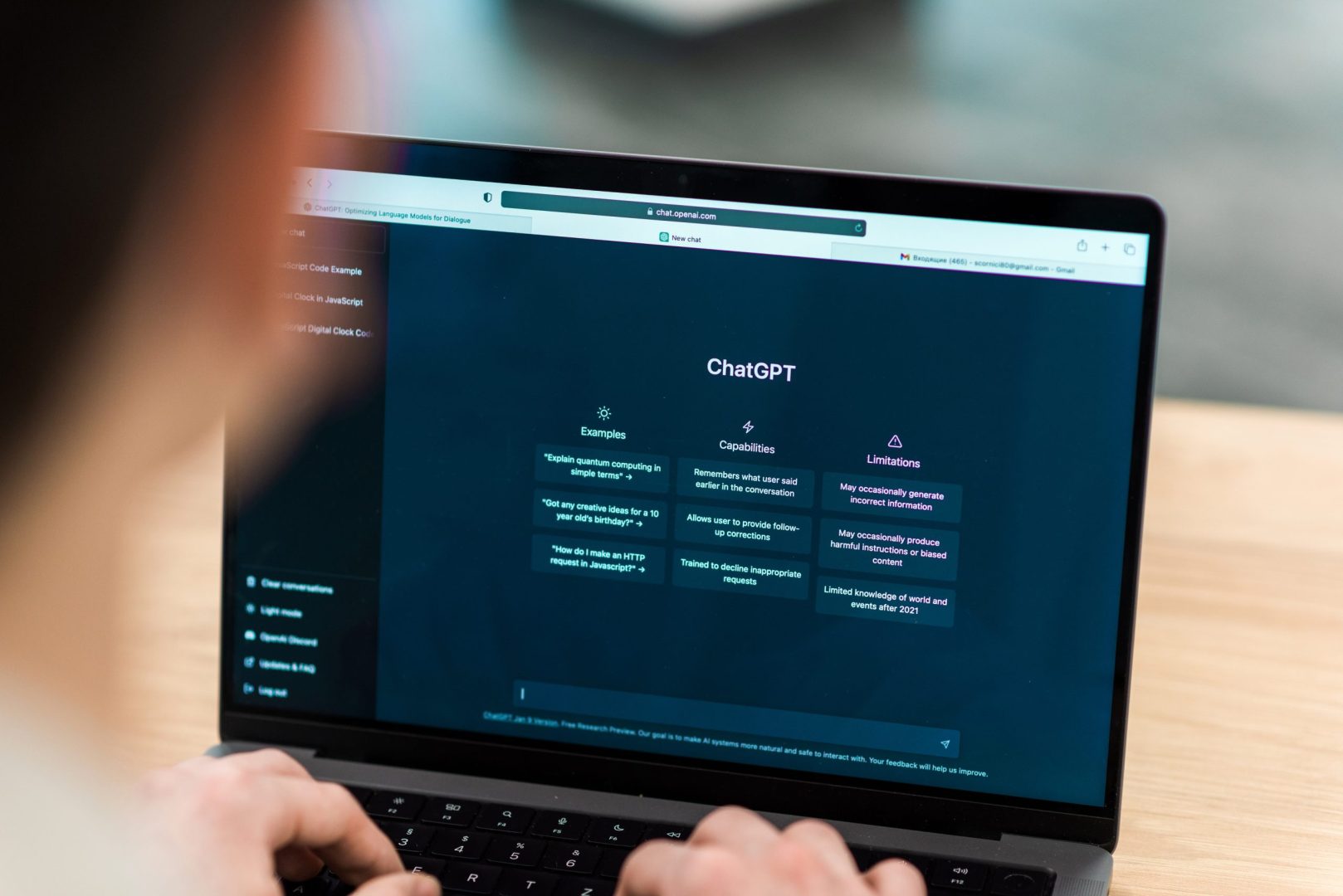
At the same time, more people are skipping search altogether and asking ChatGPT, Gemini or another AI assistant directly. That’s been coming for a while: answers are quicker than clicking through pages of pop-ups and preamble. Charity websites, which hold a lot of carefully written information, are exactly what these tools summarise.
What it looked like for charities this year
| Charity | What it reported |
|---|---|
| Blood Cancer UK | Page views down 53% on its leukaemia page, 45% on MGUS, 32% on myeloma and 28% on lymphoma. Its online community forum was up 86%. |
| The Brain Tumour Charity | Traffic down by about 27%, mainly on information pages. Donations held steady. |
| Save the Children | Clicks and impressions down year on year in July, while its appearances in AI Overviews rose 303%. |
| Cancer UK, Mind and the Mental Health Foundation | Traffic down significantly over the past twelve months, with no figures given. |
Two details stand out. Blood Cancer UK’s forum grew while its information pages shrank, because an AI summary can’t replace other people’s experience. And The Brain Tumour Charity’s donations held up, because the fall was in pages people find by searching, not the campaign pages they go to on purpose.
Why it matters even if donations are fine
Information pages are often how people first meet your charity. Someone who reads about a diagnosis on your site today might call your helpline next month, join a support group next year and fundraise for you after that. If they get the facts from an AI summary instead, that first meeting doesn’t happen, and nobody sees it in the donations report.
It also affects what you can tell funders and trustees. If reach is one of your measures, a fall in website visits can look like a fall in impact when it isn’t. It’s worth getting ahead of that conversation.
What to do about it
- Check what is actually happening. In Google Search Console, compare impressions and clicks for your information pages over the last twelve months. Steady impressions with falling clicks is the pattern AI answers leave behind.
- Make your pages the best source on the subject. Put the direct answer near the top, back it with evidence, show when the page was last reviewed and keep it current. Google says there are no special tricks for AI Overviews: clear, accurate, helpful pages are what get used.
- Give people a reason to click. Offer what a summary can’t: a helpline, a support group, a local service finder, personal stories, a community or a tool. Blood Cancer UK’s forum is the example to learn from.
- Make sure your pages can be read. Don’t block search engines from pages you want found, keep important text out of images and PDFs, and use proper headings. Google says you don’t need new files or special markup to appear in AI features.
- Use your own data. Original figures from your services, surveys or research are the kind of content AI answers quote and link to.
- Measure supporters, not just visits. Track donations, sign-ups, referrals and helpline contacts that come from the website, so a fall in visits is not mistaken for a fall in impact.
- Ask the AI tools about yourself. Ask ChatGPT, Gemini and Perplexity about your charity and your cause, and check what comes back. If it’s wrong or out of date, the fix usually starts with your own website and your Charity Commission record.
Is it all bad news?
Not entirely. Save the Children treats AI search as “a channel to optimise for rather than a threat” and has grown its appearances in AI Overviews. The Mental Health Foundation sees people finding its evidence-based information elsewhere as a good outcome. If your aim is that people get accurate information, an AI answer that cites your charity is still a win. The job is to make sure that answer is right, and that people who need more know where to find you.
How we can help
We build charity websites that are fast, clearly structured and easy to keep up to date, which is what search engines and AI tools both read. We also run open research on UK charity websites, so we can show you how your site compares. If you’d like a second opinion, get in touch or see how we approach charity web design.
Questions charities ask
Can we stop Google using our content in AI Overviews?
Only by limiting how your pages appear in search, for example with the nosnippet control, which also shrinks your normal search listing. For most charities that is a bad trade.
Do we need an llms.txt file or special markup?
No. Google says you don’t need new machine-readable files or markup to appear in AI features. The usual basics of clear, accurate, well-structured pages matter far more.
How do we know if we're affected?
Look at your information pages in Google Search Console. If impressions are steady or rising while clicks fall, people are seeing your pages in results and getting their answer without visiting.
Should we write less information content?
No. It still builds trust, earns links and feeds the answers people see. Focus it on the questions your charity is best placed to answer, and make sure every page offers a next step.